Rheumatoid Arthritis & Diet: The Best Foods to Eat and Avoid for Pain-Free Living
Verified By Ms. Smita Jaiswal | 06-Dec-2025
Ms. Smita Jaiswal, Dietitian at Kailash Hospital, Noida, spreads a colorful array of food charts across her desk. "For a patient with Rheumatoid Arthritis (RA), a meal is more than just nutrition; it's a powerful dose of anti-inflammatory medicine or a trigger for a painful flare-up. The connection between rheumatoid arthritis and diet is not just anecdotal; it's grounded in the science of inflammation. While food cannot cure RA, the right rheumatoid arthritis diet plan can be a game-changer in managing pain, reducing stiffness, and improving quality of life."
Rheumatoid Arthritis is an autoimmune condition where the body's immune system mistakenly attacks its own joints, causing painful inflammation. Certain foods can fuel this inflammatory response, while others help reduce it. While medication is essential, diet plays a crucial supporting role. This definitive guide, curated by Ms. Smita Jaiswal and the clinical nutrition team at Kailash Hospital, Noida, will navigate you through the best foods for rheumatoid arthritis and the critical items to avoid, empowering you to take control of your health from your kitchen.
Ms. Smita Jaiswal explains: “Patients often underestimate how food impacts inflammation. A well-planned rheumatoid arthritis diet plan can dramatically reduce discomfort, especially when followed consistently.”
Table of Content
The overarching goal of a rheumatoid arthritis food plan is to reduce systemic inflammation. This means shifting from a pro-inflammatory Western diet to a Mediterranean-style, whole-foods-based eating pattern.
"Think of your body as a battlefield," explains Ms. Jaiswal. "Pro-inflammatory foods are the enemy forces, fueling the fire in your joints. Anti-inflammatory foods are your allies, helping to calm the immune system and douse the flames. Our goal is to recruit more allies and cut off the enemy's supply line."
Also read: Boost Your Digestive Health: High-Fiber Foods for Constipation Relief
Incorporate these powerful anti-inflammatory foods good for rheumatoid arthritis into your daily meals.
1. Omega-3 Rich Indian Foods
- Why: Omega-3 fatty acids are powerful anti-inflammatories.
- Desi Sources:
- Fish: Rohu, Katla, Hilsa (Ilish), and Surmai (Kingfish).
- Vegetarian Sources: Alsi (Flaxseeds), Sabja (Chia Seeds), Akhrot (Walnuts), and Methi (Fenugreek Seeds).
- Recommendation: For fish, aim for two servings per week. For vegetarians, have a tablespoon of ground alsi daily in your daliya or chapati dough.
2. Colorful Indian Fruits and Vegetables (Sabziyan aur Phal)
- Why: Packed with antioxidants that fight inflammation.
- Desi Sources:
- Vegetables: Palak (Spinach), Bathua (Chenopodium), Lauki (Bottle Gourd), Tori (Ridge Gourd), Bhindi (Okra), Shimla Mirch (Bell Peppers), Gajar (Carrots), and Baingan (Brinjal).
- Fruits: Amla (Indian Gooseberry), Anar (Pomegranate), Jamun (Java Plum), Ber (Indian Jujube), and seasonal berries.
- Recommendation: Fill half your thali with a variety of cooked and raw vegetables.
3. Nuts, Seeds, and Legumes (Daal-Sabut Anaj)
- Why: Great for fiber, protein, and healthy fats.
- Desi Sources:
- Nuts & Seeds: Akhrot (Walnuts), Badaam (Almonds), Mungfali (Peanuts), Pumpkin Seeds.
- Legumes & Grains: All dals (Moong, Masoor, Chana), Rajma (Kidney Beans), Kala Chana (Black Chickpeas), Jau (Barley), and Ragi (Finger Millet).
- Recommendation: A handful of mixed nuts as a snack. Include a bowl of dal and whole grain rotis (e.g., jau or ragi atta) in your meals.
4. Heart-Healthy Indian Oils and Fats
- Why: Certain traditional fats have anti-inflammatory properties.
- Desi Sources: Sarson ka Tel (Mustard Oil), Ghee (Clarified Butter) from grass-fed cows in moderation, and Nariyal ka Tel (Coconut Oil) for some cooking.
- Recommendation: Use mustard oil for tempering (tadka) and cooking. Use a teaspoon of ghee on your rotis.
5. Powerful Indian Spices (Masale)
- Why: The foundation of Ayurveda and natural medicine.
- Desi Sources:
- Haldi (Turmeric): The superstar. Always use it with Kali Mirch (Black Pepper) to enhance absorption.
- Adrak (Ginger) & Lahsun (Garlic): Potent anti-inflammatories.
- Dalchini (Cinnamon) & Jeera (Cumin): Aid in digestion and reduce inflammation.
- Recommendation: Use these spices generously in your sabzi, dal, and kadha.
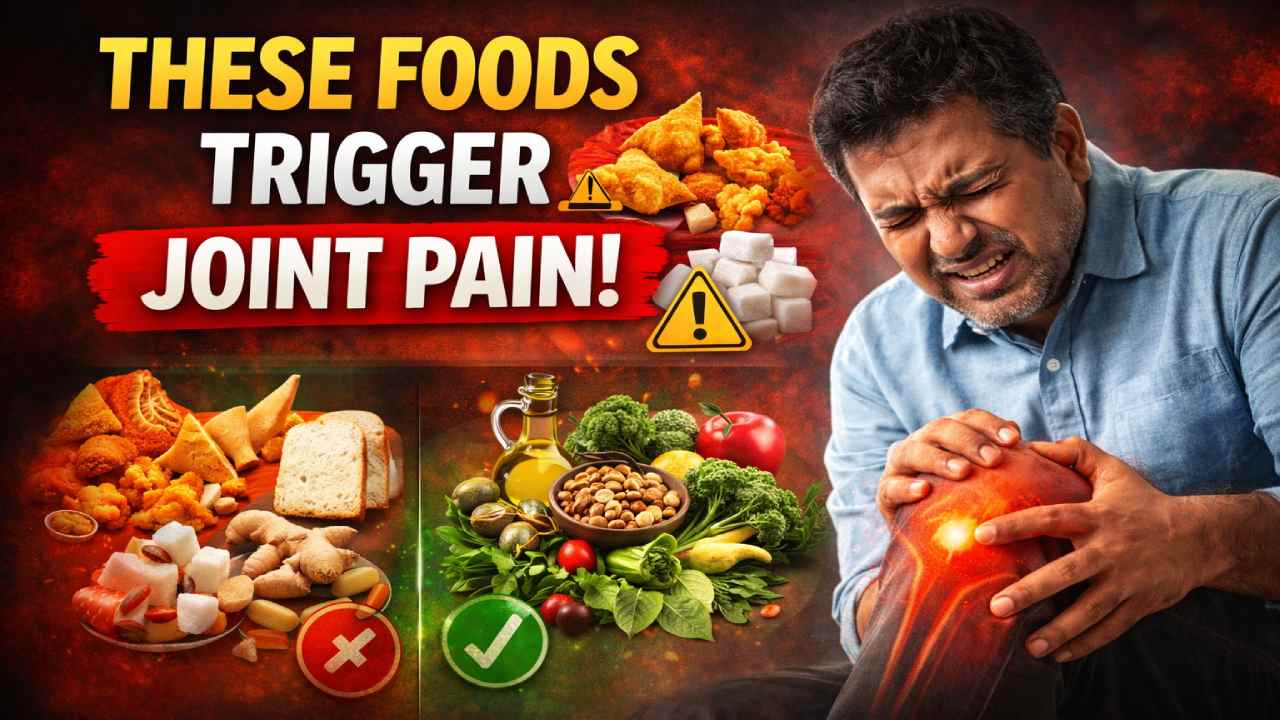
Just as important as what you eat is what you eliminate. For an Indian diet, these are the common foods to stay away with rheumatoid arthritis.
1. Refined Flour (Maida) and Sugary Treats
- Why: Maida and sugar cause a rapid spike in blood sugar, which triggers the release of inflammatory messengers called cytokines in the body.
- Common Indian Sources:
- Maida-based items: Naan, Kulcha, Bhatura, White Bread, Biscuits, Cakes, Samosas, and Kachori.
- Sugary Treats: Mithai (like Barfi, Jalebi, Laddoo), Sweetened Beverages (packed juices, sugary lassi), and Bakery products.
- Ms. Jaiswal's Advice: "Swap your regular maida roti for gehun or jau (whole wheat or barley) roti. Satisfy your sweet tooth with a piece of anjeer (fig) or a small bowl of fruit instead of mithai."
2. Deep-Fried and High-Fat Foods
- Why: They are high in unhealthy trans fats and advanced glycation end products (AGEs), which are notorious for driving inflammation and oxidative stress.
- Common Indian Sources: Poori, Pakode, Bhujia, Sev, Vada, and any repeatedly heated oil used for frying.
- Recommendation: Opt for tawa frying, baking, or steaming instead of deep-frying. Enjoy a tikki that is baked, not fried.
3. Excess Salt and Pickles (Achaar)
- Why: High sodium intake can contribute to inflammatory responses. Commercial pickles are very high in both salt and oil.
- Recommendation: Limit added salt in cooking and at the table. Enjoy homemade, low-oil pickles in very small quantities, or use fresh chutneys instead.
4. Certain High-Red Meat and Processed Curries
- Why: Red meat is high in saturated fat. When cooked at high temperatures (like in rich curries), it can form inflammatory compounds.
- Common Indian Sources: Fatty cuts of mutton and beef in heavy, creamy gravies.
- Recommendation: Limit red meat intake. Choose lighter, dahi-based gravies instead of cream-based ones, and focus on fish and chicken as leaner meat options.
5. Full-Fat Dairy (For Some Individuals)
- Why: Some people with RA find that the protein in dairy (casein) can trigger inflammation. This is not true for everyone, but it's a common sensitivity.
- Common Indian Sources: Full-fat doodh (milk), malai (cream), paneer, and high-fat dahi (curd).
- Recommendation: This is highly individual. Try switching to low-fat milk and curd, or try a dairy-free period of 2-3 weeks using badam (almond) or soy milk to see if your symptoms improve.
Also read: The Hidden Danger in Your Kitchen: How Ultra-Processed Foods Are Fueling India's Chronic Disease Epidemic
Here is a one-day sample rheumatoid diet plan to illustrate how to put these principles into practice:
- Breakfast (Nasta): A bowl of Daliya (broken wheat porridge) cooked with vegetables and flavored with turmeric and ginger. OR 2 Moong Dal Cheelas with mint chutney.
- Mid-Morning Snack: A small bowl of pomegranate (Anar) OR a handful of walnuts (Akhrot) and almonds (Badaam).
- Lunch (Dopahar ka Bhashan): 1-2 Jau or Ragi ki Roti. A bowl of Moong Dal. A large portion of Palak or Lauki ki Sabzi. A side salad of cucumber, tomato, and onion.
- Evening Snack (Sham ka Nasta): A cup of Haldi-Adrak wali Chai (Turmeric-Ginger Tea). A small bowl of roasted Chana.
- Dinner (Raat ka Khana): A bowl of Vegetable and Moong Dal Khichdi with a spoonful of ghee.
Creating a personalized plan is critical, as triggers can vary from person to person.
"A generic list is a starting point, not a finish line," emphasizes Ms. Smita Jaiswal. "At Kailash Hospital, Noida, our approach is personalized. As a top Dietitian in Noida, I work with patients to conduct food and symptom journals, identify their unique triggers, and create a sustainable rheumatoid arthritis food plan that complements their medical treatment. We also address challenges like loss of appetite or difficulty cooking due to joint pain."
The nutrition department at Kailash Hospital, Noida provides:
- Personalized Dietary Assessments: Tailoring plans to individual food sensitivities, preferences, and cultural backgrounds.
- Nutritional Counseling: Educating patients on reading labels and making smart food choices.
- Ongoing Support: Monitoring progress and adjusting the plan as needed.
Also read: Fighting Air Pollution with Smart Food Choices
Managing Rheumatoid Arthritis is a multifaceted journey, and your diet is one of the most powerful tools you control. By consciously choosing anti-inflammatory foods for rheumatoid arthritis and diligently avoiding the pro-inflammatory triggers, you can actively reduce your disease activity and enhance your well-being.
As Ms. Smita Jaiswal of Kailash Hospital, Noida concludes, "Do not underestimate the power on your plate. Every meal is an opportunity to fight inflammation. It requires mindfulness and commitment, but the reward—less pain, greater mobility, and improved energy—is worth the effort. Start with one change today, and remember, expert guidance is always available to help you on this path."
Take charge of your health today. Consult a dietitian at Kailash Hospital, Noida to create a personalized rheumatoid arthritis diet plan that works for you.









 +91-9711918451
 international.marketing@kailashhealthcare.com