EMERGENCY



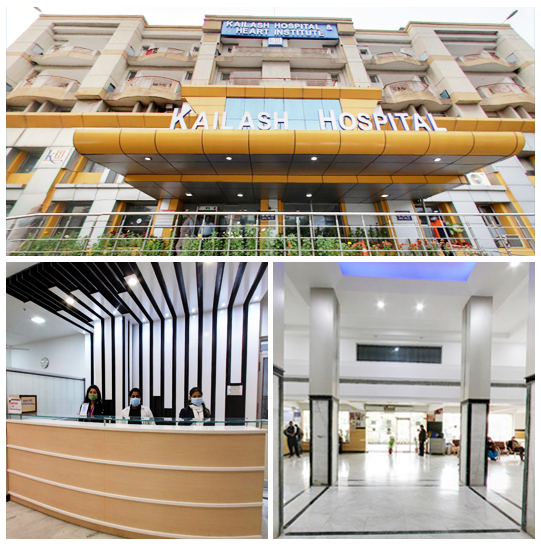

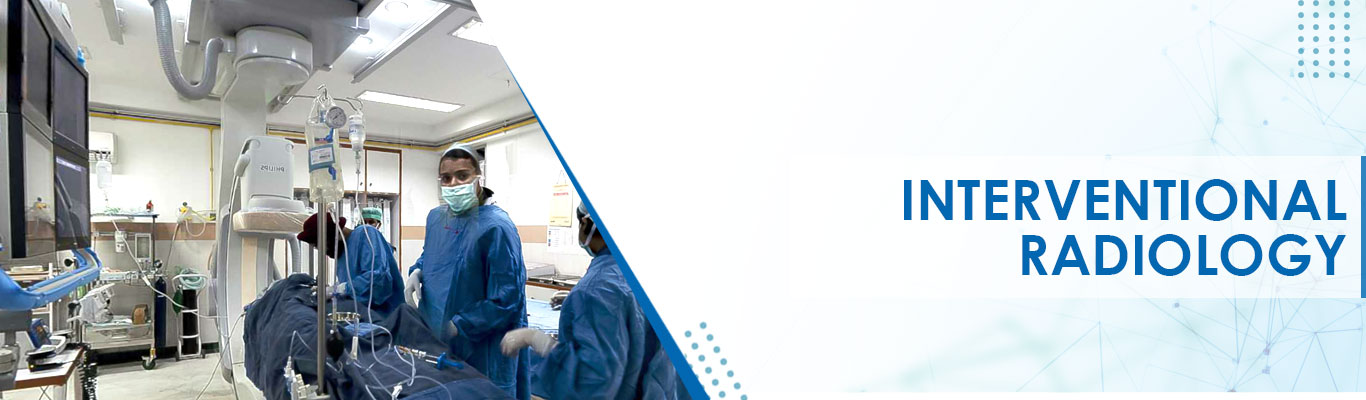
Interventional Radiology is a sub-specialty of Radiology at Kailash Hospital Sector 27 Noida, which performs plethora of minimally invasive image guided therapeutic Endovascular, Hepato-biliary, Oncology, Urology, Nephrology and Gynaecology Interventions.
IR today is one of the fastest growing & safest medical sub-specialties with an ever expanding list of minimally invasive treatments.
Novel technological development and techniques such as stents and stent grafts led to Endovascular treatment for peripheral vascular disease. Novel minimally invasive treatments such as catheter directed thrombolysis for acute arterial & venous thrombosis, Embolization techniques for uncontrolled life threatening hemorrhage, splenic / liver trauma, arterio-venous malformation (AVMs) and hyper vascular tumors, Chemo-Embolization and RFA / microwave ablation for hepato-cellular Carcinoma are standard of care. Almost all procedures are performed under local anesthesia without any incision.
Varicose veins are swollen, twisted veins that appear just beneath the skin— most commonly on the legs, ankles, and feet. While they’re often not dangerous, ignoring them can sometimes lead to serious problems. Healthy habits and timely treatment can make a difference.
Deep vein thrombosis (DVT) happens when a blood clot develops in a deep vein, most commonly in the legs. It can become dangerous if the clot breaks free, travels through the bloodstream, and blocks blood flow in the lungs, leading to a pulmonary embolism.
Pulmonary thromboembolism is a serious condition that occurs when a blood clot—most often formed in the deep veins of the legs—travels to the lungs and blocks blood flow in a pulmonary artery. It can be life-threatening, but early treatment can greatly reduce the risk of death.
Arteriovenous fistula (AV fistula) is an abnormal connection between an artery and a vein that allows blood to flow directly between them. It most commonly occurs in the legs but can develop anywhere in the body. An AV fistula may be present at birth or can develop due to injury or trauma. A large, untreated AV fistula can lead to serious health complications. Early detection can make the condition easier to manage and treat.
Diabetic foot refers to foot problems caused by diabetes, usually due to nerve damage and poor circulation. This can lead to numbness, sores, infections, and in severe cases, amputation if left untreated. Early detection and proper care are crucial to prevent serious complications and protect your feet.
Gangrene is a serious medical condition in which tissues die due to a lack of blood flow. It often starts at the edges of limbs, such as toes or fingers, but can affect any part of the body, including organs. It may be caused by injury, infection, or medical conditions that affect circulation. Without prompt treatment, gangrene can lead to severe complications or even death.
Vascular malformation is a condition where blood vessels enlarge, tangle, or form abnormal pockets or channels, leading to irregular blood flow. It can affect veins, arteries, or lymphatic vessels. These malformations are usually present at birth. Depending on their size and location, vascular malformations may cause swelling, pain, bleeding, or functional problems.
Uterine fibroids are non-cancerous growths of muscle and tissue in the uterus. While many fibroids may not cause any symptoms, some can lead to heavy menstrual bleeding, pelvic pain, or other complications. Small fibroids often don’t require treatment, but larger fibroids can be managed with medications or surgery.
Portal hypertension is a condition in which the blood pressure in the portal vein—the vein that carries blood from the digestive organs to the liver—is abnormally high. It is often caused by liver diseases, such as cirrhosis, which block normal blood flow through the liver. This increased pressure can lead to swelling in the abdomen (ascites), enlarged veins and other complications.
Thyroid nodules are lumps or growths in the thyroid gland, located in the neck. Most thyroid nodules are benign and do not cause symptoms, but some can lead to swelling, difficulty swallowing, or changes in voice. Timely detection and monitoring help ensure proper treatment.
Liver cirrhosis is a permanent scarring that damages the liver and interferes with normal liver function. It often develops due to long-term liver damage caused by conditions such as chronic hepatitis, fatty liver disease, or prolonged alcohol use. Early diagnosis and proper medical care can help slow its progression and prevent complications.
The interventional Radiology procedures are associated with minimal risk, early recovery and early discharge as compared to conventional open surgical treatments. Real time image guidance allows precise treatment.
The division of Vascular & Interventional Radiology also performs Non-Vascular Interventions. Following are the NVIs that are carried out by the Radiologists:- nbsp;
The radiology department has its own wards and dedicated surgical rooms fully equipped with standardized infrastructure focusing on patients' safety. Furthermore, each and every test is well organized with accurate results. The team work is the key that has helped us in constantly achieving our goal. The department is equipped with modern-day equipments including flat panel Cath Lab, 3D angiography, premium colour Doppler machine, digital mammograph, etc.
To know more about our Radiological Investigations & Procedures click here.....
© 2026 Kailash Healthcare Ltd. All Rights Reserved